I will let you be the judge. Check it out here.

I will let you be the judge. Check it out here.
Find out about my writing and publishing process for Gunfire Lullabies? Click here to hear my interview with Gavin Miller and The Empty Page podcast. Lots of fun.
Learn more about the origin of Gunfire Lullabies on this podcast interview I did with Claudine Tinellis on Taking Aussie Books. Great in depth questions.
Booktopia asked me Ten Terrifying Questions revealing more about the person behind the novel. Check it out here.
Read a different angle on Gunfire Lullabies and my writing process here.
I wrote a piece for the Fin Review charting my journey from diplomat to novelist. Read it here.

Just click here 🙂
My second novel is 40,000 words in. I began writing it in 2010, and since then have added sections in spurts, mainly in 2017.
In 2022, 11 years on and 5 years since I last added anything significant, I’m determined to finish a solid first draft.
But should I start again?
An old friend of mine wrote an award-winning novel in two parts, and they read very differently. I liked the second half much more than the first, and didn’t feel it worked to have two markedly varied styles in the same book (yet clearly others didn’t mind).
Some things I’m considering:
I think the answer is clear for me. I need to ditch the other work out and begin again. I also did this with my published novel, Gunfire Lullabies, which I wrote in three very different drafts. This came to me after having heard about process writing The Narrow Road to the Deep North, which I still thought was quite fractured.
My main reason?
What’s your experience of picking up a story you’ve partly finished?
I was interviewed by Andrea Barton of Brightside Story Studio about my recently released novel, Gunfire Lullabies.
Andrea is an editor I hired during the latter stages of my novel’s development, and I can highly recommend her work.
The article begins like this, but you can read the full interview here…
“With her background as an Australian diplomat based in Indonesia and East Timor, Nore is ideally placed to write about East Timor’s independence struggle. Her debut novel places two female characters against the background of this political maelstrom. Join us as we discuss the evolution of Gunfire Lullabies.”

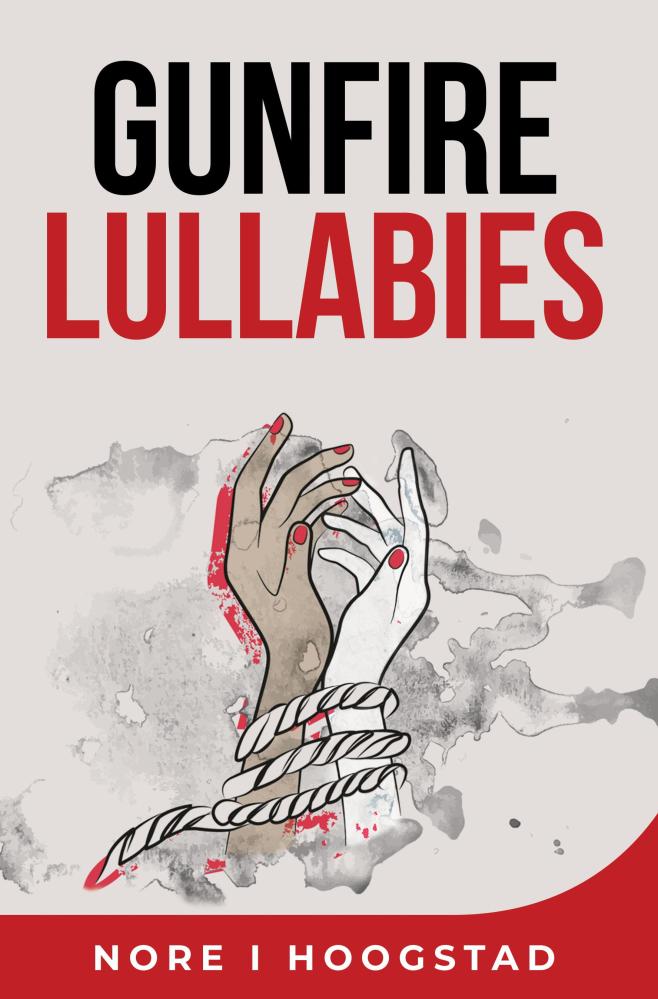
I am beside my self with excitement at the release of my novel. It’s taken me years.
You can purchase it here on my website in the Buy My Book tab.
Want to know more? Here’s a bit about it…
Jakarta, 1998. Junior Australian diplomat Ava Vuyk is on her first overseas posting when she’s assigned the conflict-ridden issue of East Timor with its twenty-three year independence struggle. The new Indonesian regime announces a vote in which the East Timorese will choose their future, but the military and local militia oppose it, launching a brutal campaign of terror and destruction. Amid the turmoil, Ava must decide whether she’ll gloss over the spiralling violence as her domineering ambassador demands, or report the truth in the hope the Australian government will intervene.
In East Timor, teenage farmer Isabel is kidnapped by militia leader Gabriel as his sex slave after her brother escapes into the jungle rather than join his group. Alone but hopeful, she waits to be rescued. When a human rights group asks her to spy on Gabriel, she’s seduced by the promise she’ll be reunited her with her family.
Gunfire Lullabies—written by former diplomat, political advisor and press secretary Nore Hoogstad—is a gut-wrenching fictionalised account inspired by real life events that won’t fail to fascinate and enthral.
“Highly recommended. Nore guides us through the conflict in East Timor, and a clash between official duties in service of the state, versus human convictions and emotions. Each of us has a choice to make, whether to fulfil our contractual duty or our higher moral one; the dictates of the state versus those of the soul.”
—J. Ramos-Horta, President of Timor-Leste, 2007-2012
Tomorrow is an anniversary for one of my parent’s deaths.
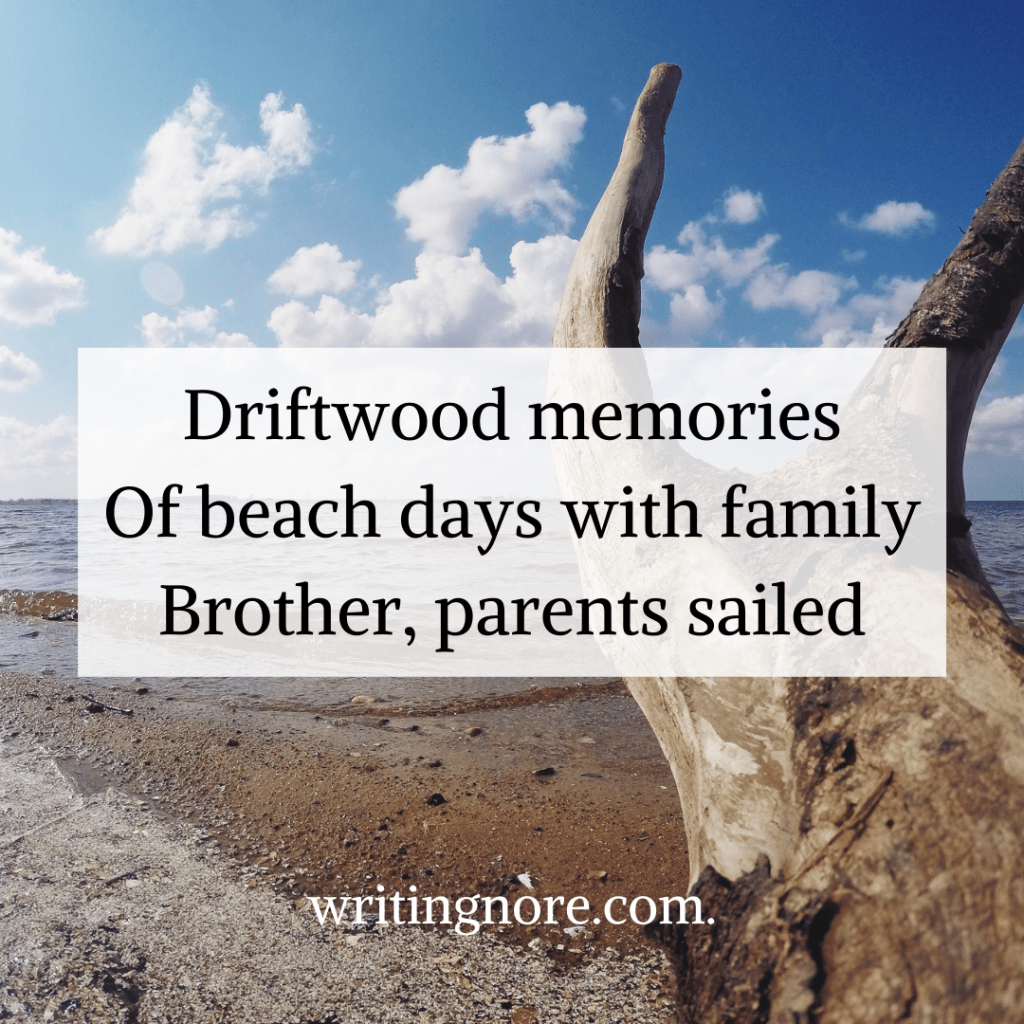
Tonight I was watching TV and saw pieces of driftwood being hauled into the sea. It sparked memories of holidays and a driftwood keepsake my father kept as a memento.
I wrote a haiku for his funeral, and here’s another one on the eve of his death anniversary. It’s interesting how the smallest images or smells or sounds can make you remember.
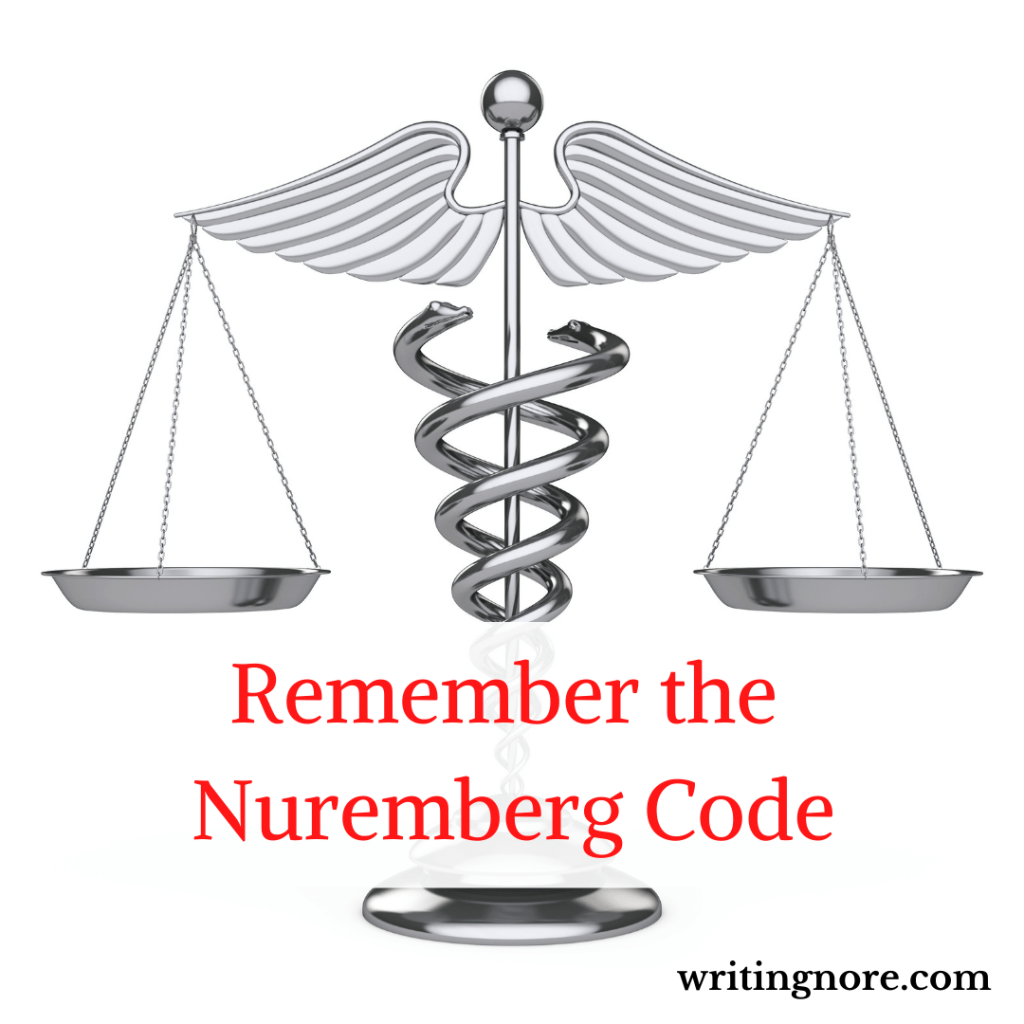
[“Trials of War Criminals before the Nuremberg Military Tribunals under Control Council Law No. 10”, Vol. 2, pp. 181-182. Washington, D.C.: U.S. Government Printing Office, 1949.]


A couple of years ago I received two publishing offers for my fiction manuscript, Gunfire Lullabies. Can you imagine my joy? I’d slaved over this this book to get it to a high standard, and after considerable interest but no final offer with other publishers, my book and writing was finally about to be formally realised.
One offer was with a small independent publisher and the other was with a more academic publisher, but with restricted conditions. I decided to go with the first offer, even though I’d checked them out and had a few concerns.
After dilly dallying for 18 months, which included months of no communication at all, and missing the golden opportunity to publish my book on the 20th anniversary of the East Timor independence ballot during which it’s set, the publisher pulled out. This was despite a legal opinion from Australia’s top publishing barrister that my novel was good to go.
My disgust and relief were palpable. It was like escaping an abusive relationship. My gut feeling about this publisher had been spot on, which is far easier to say in hindsight.
I decided to do another line edit that took my novel to a new level and sent it to an agent who was a contact of several published writers I knew. This was a mistake as they had a commercial focus, and my book is crossover literally–commercial. Their response was, shall we say, discordant.
I could have gone back to publishers previously interested in my novel or taken it to others. But I asked myself what did I really want?
The answer was creative control. In the end, it’s simple when you work out what your one priority is.
I’m confident about my novel and don’t want to cut out a character, component or the entire literary element to reduce the word count from 113,00 down to 90,000. I couldn’t bare to receive yet another, may I say divergent opinion on one character or another, or to wait to find out whether someone finds my writing style either beautiful or too something or other. You get the idea. I’m not new to the writing game, and while editors’ and agents’ opinions may be informed by professional experience, they’re nonetheless subjective and vary wildly. And really, you could go on perfecting and altering a manuscript or painting for a lifetime.
So I came the decision to self publish. I’d considered it before, but had previously associated it with failure. These days, many formally published authors are making this same decision for some or all of their work for similar reasons as above.
In part this may be because self publishing is not what it used to be. I’ve watched it develop into a big industry featuring unlimited distribution possibilities and a multitude of support options that didn’t exist even 5 years ago. While competition is fierce and the marketing side feels daunting right now, what doesn’t in the beginning?
In the end, it’s time for me to birth my baby so that others can read my story; it’s time for me to finally hold a copy of my book with my name on the cover in my hands.
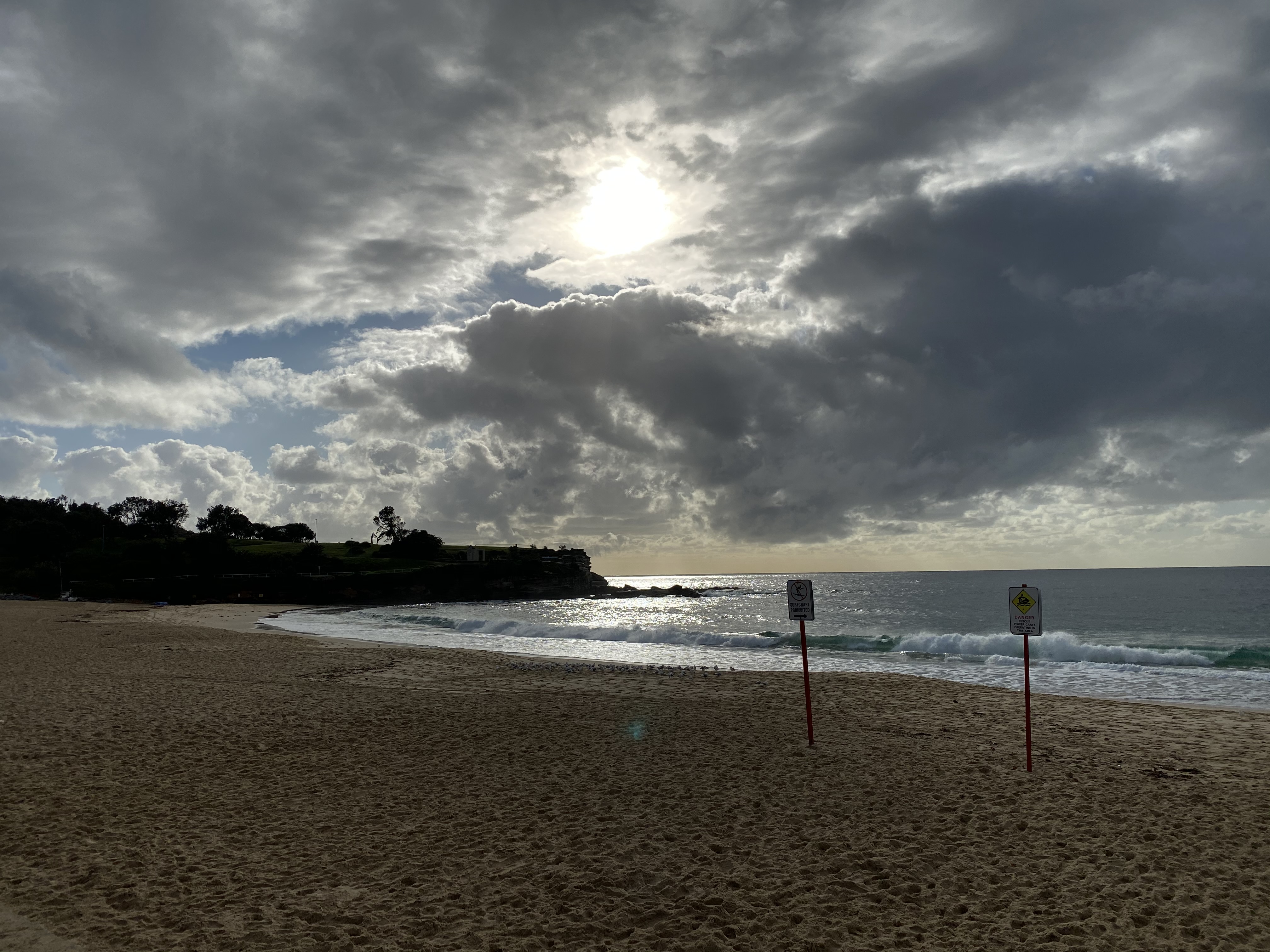
It was summer again today. The sun burned the clouds and dew and mist away, and the people lay on the white sand and frolicked in the waves and laughed, and cars cruised by playing loud music and there was beer and fish and chips. And or a brief moment, everyone who’d lost their jobs, held fears for their future, couldn’t get supplies or was working from home, forgot. For a moment, the world was young again.
 writing nore